Setting Up a Productive Home Office with Secondhand Furniture

Finding the Right Balance Between Function and Style
Imagine you're sitting at a wobbly, particle-board desk that feels too small for your laptop, while a harsh fluorescent light bounces off a white wall. You want to get work done, but the environment feels temporary and uninspiring. This isn't just a minor annoyance; it's a physical barrier to focus. Creating a workspace that actually works requires more than just a chair and a computer. It requires a deliberate setup that respects your body and your mental clarity. When you pull from the second-hand market, you aren't just saving money—you're building a space that has character and weight, something a flat-pack box from a big-box retailer just can't offer.
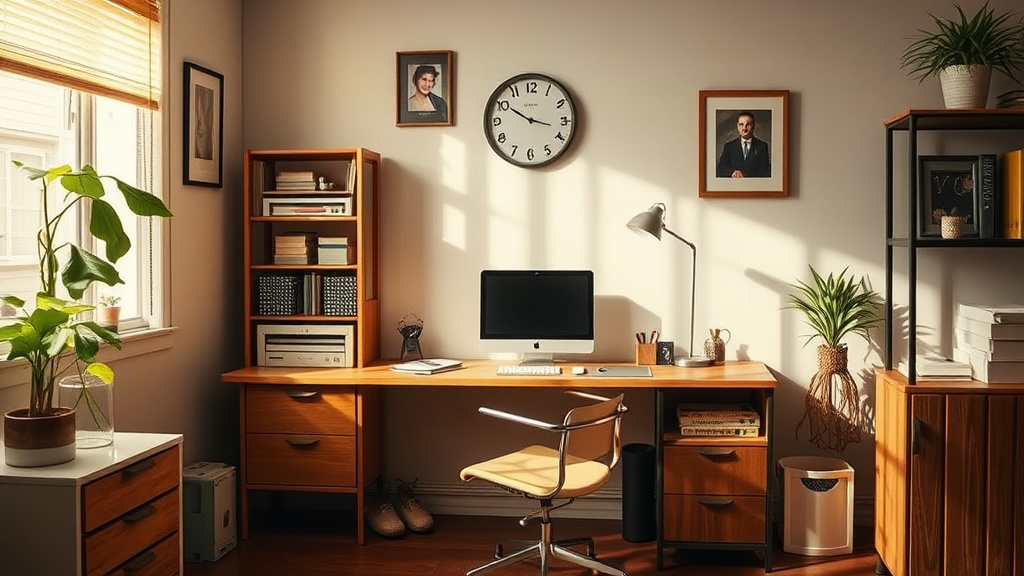
A functional desk setup starts with ergonomics. If your chair is too low, your shoulders will ache by noon. If your monitor is too low, your neck will suffer. Instead of buying a generic "office chair," look for vintage wooden desk chairs or mid-century modern pieces that offer solid support. The goal is to create a station that feels permanent and grounded. A heavy oak desk or a sturdy walnut writing table provides a sense of stability that helps settle the mind during long tasks.
Where can I find good office furniture used?
You don't have to spend a fortune at high-end boutiques to find pieces that last. Local thrift stores, estate sales, and even online marketplaces are gold mines if you know what to look for. When browsing, look for solid wood construction rather than veneer. A solid wood desk will survive a move or a change in decor much better than something made of pressed sawdust. Check the joints of chairs and tables before you buy; if they wobble even when tightened, skip them. You want something that feels sturdy under your hands.
Local community groups and even the Facebook Marketplace ecosystem are perfect for finding heavy-duty furniture that people are often looking to get rid of quickly. Often, people sell high-quality vintage furniture for a fraction of its original value because it's simply too heavy to move. This is your opportunity to snag a piece that will serve you for a decade or more. Look for local auction houses as well, as they often have more interesting, high-quality items than the standard thrift shop.
How do I make a vintage desk look modern?
The biggest mistake people make is trying to force a vintage piece to look like a modern one. Don't try to paint a beautiful teak desk white just to make it look "current." That ruins the soul of the piece. Instead, blend the old with the new through your tech and accessories. You might have a 1960s wooden desk, but you can pair it with a sleek, modern desk lamp or a high-quality mechanical keyboard. This creates a layered look that feels intentional rather than dated.
Consider your lighting carefully. Harsh overhead lights are the enemy of a good mood. Instead, use a combination of task lighting (like a brass desk lamp) and ambient lighting. A small, warm-toned lamp in the corner of your room can change the entire energy of your workspace. If your desk is tucked into a corner, a small plant or a ceramic tray for your pens can add a touch of life without cluttering the surface. The key is balance: heavy, historic furniture paired with light, modern utility.
What should I look for in a workspace chair?
Comfort is non-negotiable. While a vintage wooden chair looks great in a photo, you shouldn't sit in it for eight hours a day. If you love the aesthetic of a certain era, look for a chair with a classic silhouette but better interior support. You can even take a vintage chair to a local upholsterer to add a custom cushion. This gives you the best of both worlds: the style you love and the comfort your back requires. If you are working from home, your physical comfort dictates your productivity more than any software or app ever could.
When shopping, always test the height and the tilt. A chair that looks great but has a broken tension spring is a waste of your time. If you find a piece you love that is slightly uncomfortable, remember that many things can be fixed. A new seat cushion or a small adjustment to the height can turn a beautiful relic into a functional tool. A workspace should be a place where you feel supported, not a place where you feel physically drained by the end of the day.
Finally, consider the layout of your room. A desk shouldn't just be shoved against a wall if you have the space to angle it. Creating a dedicated zone for work helps separate your professional life from your personal life. Even in a small apartment, a corner dedicated to your desk—perhaps defined by a small area rug or a specific piece of art—can act as a mental trigger. When you sit in that chair and see that desk, your brain knows it's time to focus. This ritual of setting the stage is part of the process of building a life that feels curated and intentional.