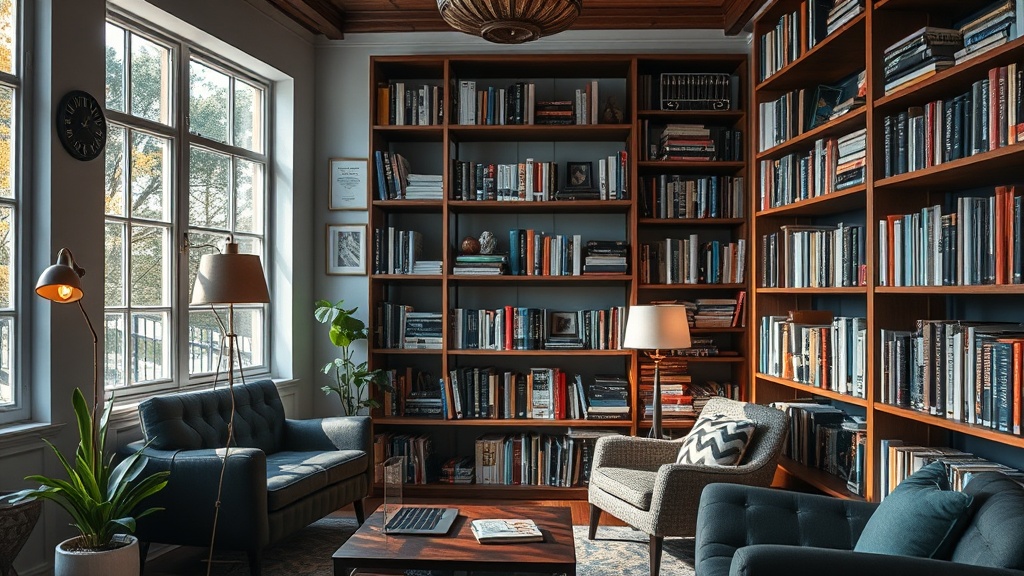
Organizing a Functional Home Library with Used Books

Recent studies on reading habits suggest that physical book ownership can actually increase a person's likelihood of reading more often compared to those who rely solely on digital formats. Organizing a collection isn't just about shelf space; it's about creating a way to interact with your interests. This guide covers how to sort, display, and maintain a secondhand book collection without letting it turn into a cluttered pile of paper. Whether you have a dozen books or hundreds, the goal is to make finding your next favorite read a seamless part of your daily life.
How do I sort my secondhand book collection?
The first step is the most tedious: the great sort. You can't just shove every book you've ever bought into a shelf and expect it to look intentional. Start by grouping your books into broad categories. Don't worry about getting too granular yet—think of it as building the foundation. You might have a section for fiction, one for non-fiction, and perhaps a specific corner for your personal interests like gardening or history.
If you've been collecting from thrift stores or estate sales, you'll likely have a mix of different eras and physical qualities. I suggest sorting by size first. This prevents that jagged, uneven look that often makes a collection feel messy. Once you have your sizes grouped, you can decide on a secondary sorting method. Some people prefer alphabetical order (the classic approach), while others find it more intuitive to group by subject matter. If you're a visual person, you might even group by spine color—though I'd argue that function should always come before aesthetics.
Don't forget to check the condition of your older finds. If a book has a loose spine or yellowed pages, it might need a specific spot. You can find great advice on book preservation through the Library of Congress website, which offers insights into keeping physical materials in good shape. A well-organized library is a living thing that needs constant attention.
Where should I place my bookshelves?
Placement is often overlooked, but it's where most people fail. A bookshelf shouldn't just be a piece of furniture shoved in a corner; it should anchor a room. If you're working with limited space, consider using verticality. Tall, narrow shelves take up less floor real estate while providing plenty of room for growth.
Think about the light in your room. If you're placing books near a window, be aware that direct sunlight is the enemy of paper. UV rays can cause significant fading and make pages brittle. If your shelves are in a bright area, consider using a sheer curtain or choosing a spot that stays in the shade for most of the day. This is a small detail that makes a huge difference in how long your collection lasts.
One thing to consider is the weight. A full shelf of hardcovers is incredibly heavy. Ensure your shelving unit is sturdy and properly anchored to the wall. This isn't just about preventing a collapse; it's about the long-term stability of your home environment. If you're using vintage wooden shelves, they might have a slight lean—account for that when loading them up.
Can I mix decorative objects with my books?
The short answer is yes, but with caution. A shelf filled only with books can sometimes feel a bit stiff or "library-ish." Adding a few objects can breathe life into the collection, but you want to avoid the "cluttered shelf" look. A small ceramic vase, a vintage clock, or a single piece of art can work wonders.
The trick is the rule of thirds or the rule of three. Instead of a long line of books, try creating clusters. A group of three books, a small object, and then a bit of empty space creates a much more pleasing visual rhythm. This prevents the shelf from looking like a warehouse. If you're using much of your collection for display, ensure the objects don't actually obscure the titles you want to read.
"A room without books is like a body without a soul." — Cicero
This quote is often cited, and while it's a bit dramatic, there's truth to the idea that books add a sense of character to a home. When you mix in your thrifted finds, you're not just decorating; you're telling a story about what you value. Just remember that the objects should complement the books, not compete with them for attention.
How do I keep my books from looking dusty?
Dust is the natural byproduct of a life lived with physical objects. If you have an open shelving system, you're going to have dust. The best way to manage this isn't through heavy-duty cleaning once a month, but through consistent, light maintenance. A soft brush or a microfiber cloth is your best friend here.
For those who are truly dedicated, a small handheld vacuum with a brush attachment can be a lifesaver for the crevices between books. It's much faster and less invasive than moving every single volume to wipe down the shelf. If you're feeling particularly meticulous, you can look into the maintenance tips provided by the Folklore community, which often discusses the care of vintage and antique items.
Regularly rotating your books can also help. If you have a section that you rarely touch, move it to a different shelf or even a different room for a while. This keeps the collection feeling fresh and prevents certain areas from becoming "dead zones" where dust settles undisturbed for years. A little bit of regular movement goes a long way in maintaining a healthy, readable library.
Ultimately, your library should be a reflection of your current self. It's okay if the collection changes as your interests evolve. If you find yourself outgrowing a certain genre, don't be afraid to pass those books along to a local charity or a friend. A library that stays static can sometimes feel a bit stagnant. Keep it growing, keep it moving, and keep it part of your daily rhythm.