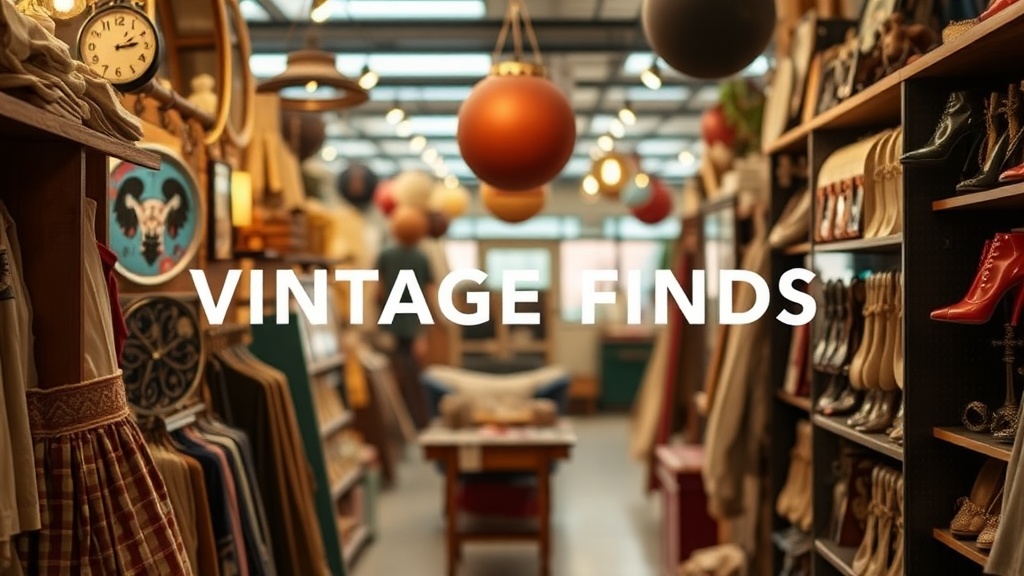
How to Spot Authentic Vintage Finds at Thrift Stores

Quick Tip
Always check for maker's marks, construction details, and natural wear patterns to distinguish genuine vintage pieces from modern reproductions.
Scoring a genuine vintage piece at Value Village or the Edmonton Antique Mall feels like winning a small lottery. This guide breaks down exactly what to look for — from hardware details to label clues — so you don't waste money on reproductions masquerading as the real deal.
How Can You Tell if Clothing is Actually Vintage?
Check the label and stitching first. Authentic vintage garments — pre-1990s — typically feature union labels, embroidered tags rather than printed ones, and metal zippers instead of plastic. Here's the thing: vintage sizing runs smaller. A "size 12" from 1970 fits more like a modern 6 or 8.
Worth noting — the construction tells the story. Look for:
- Single-stitch hems (common before the mid-1990s)
- Serger stitching on later vintage pieces (late 70s onward)
- Natural fabrics — wool, cotton, silk — rather than modern polyester blends
The catch? Some sellers swap tags. Always verify by examining the fabric content and construction style against the claimed era.
What Are the Best Thrift Stores in Edmonton for Vintage Finds?
Balue Village on Calgary Trail and the Edmonton Antique Mall on Gateway Boulevard consistently deliver. That said, don't overlook smaller spots like Civics Stone Thrift or the Goodwill locations in Old Strathcona — they restock frequently and pricing tends to be more forgiving.
For furniture and housewares specifically, the ReStore locations around the city (operated by Habitat for Humanity Edmonton) often hide mid-century gems among the particle board. Early weekday mornings offer the best selection.
How Do You Spot Fake Vintage Jewelry?
Real vintage jewelry has weight. Reproductions feel light and hollow. Turn pieces over — authentic vintage will show hand-soldered closures, slightly irregular stone settings, and patina that develops naturally over decades.
| Feature | Authentic Vintage | Modern Reproduction |
|---|---|---|
| Clasp Style | Hook-and-eye, barrel clasps, C-clasps on brooches | Lobster claws, spring rings |
| Markings | Patent numbers, country of origin stamps | Generic "925" or no marks |
| Construction | Hand-set stones, slightly uneven | Machine-perfect uniformity |
Magnet testing works too — vintage brass, copper, and silver-plated pieces won't stick. If it clings? Probably cheap base metal underneath.
What Brands Should You Hunt For?
Certain labels hold value and quality. Keep an eye out for:
- Pyrex — the original patterns (Butterprint, Pink Gooseberry, Starburst) command respect and resale value
- Levi's — the big "E" on the red tab indicates pre-1971 production
- Corning Ware — blue cornflower and wildflower patterns from the 60s and 70s
- Eames-era furniture — Herman Miller, Knoll, and Steelcase pieces from the 50s-70s
Don't dismiss unmarked items either. Many quality vintage pieces — especially pottery and glassware — were produced by small studios without branded stamps. The weight, glaze quality, and form often reveal craftsmanship that mass production simply can't replicate.
Patience wins here. Some weeks yield nothing. Others? A complete set of Fire-King Jadeite mugs for $12. That's the thrill — and with these checkpoints in mind, the hunt becomes a whole lot more rewarding.