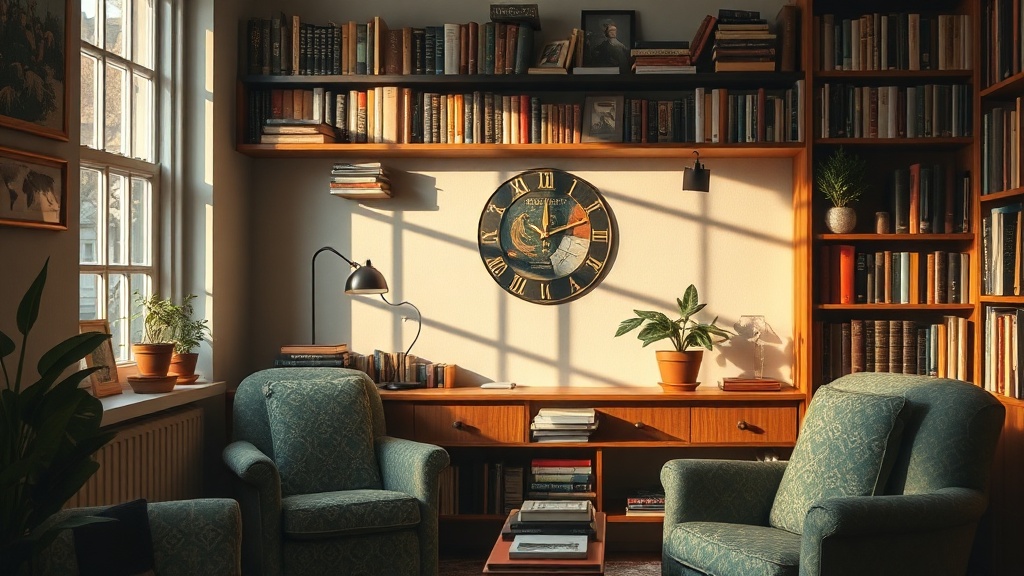
Cultivating a Small Home Library with Secondhand Books

A collector walks into a dusty corner of a local thrift shop and finds a first edition of a classic novel, its spine slightly worn but the pages crisp. This person isn't just buying a book; they're acquiring a piece of history. This post explains how to build a meaningful home library using secondhand books, focusing on curation, budget-friendly sourcing, and proper storage. Creating a personal library is about more than filling shelves—it's about building a collection that reflects your interests and values.
How Do You Start a Small Home Library?
Starting a small home library begins with defining a specific theme or interest rather than buying everything in sight. Instead of grabbing every book with a colorful cover, look for a central thread—perhaps 20th-century poetry, vintage science fiction, or classic culinary history. A focused collection feels intentional and looks much better on a shelf. (Most people start too broad and end up with a pile of clutter.)
First, identify your "anchor" genres. These are the subjects you actually want to read, not just the ones that look good for decor. If you love the aesthetic of old cloth-bound books, let that guide your search. If you prefer the rugged look of old paperbacks, lean into that.
Once you have a direction, you need to establish a system for acquisition. You shouldn't just shop at the big-box retailers. The best finds live in the places people often overlook.
- Local Thrift Stores: These are great for finding cheap, general-interest books.
- Estate Sales: This is where you find the high-quality, heavy-duty hardcovers.
- Online Marketplaces: Sites like eBay or AbeBooks are perfect for specific titles.
- Library Sales: Most municipal libraries hold annual sales to clear out old stock.
When you're browsing, look for quality. A well-made book from a reputable publisher like Penguin Random House will hold its shape much better over decades than a flimsy modern mass-market edition. The weight and texture of the paper matter when you're thinking about the long-term life of your collection.
Where Can I Find Cheap Secondhand Books?
The most affordable way to find secondhand books is through community-based thrift shops, library sales, and local used bookstores. You can often find high-quality books for a fraction of their original price if you know where to look.
If you're on a strict budget, start with your local public library. Many libraries have a "Friends of the Library" program where they sell donated books for pennies on the dollar. It's a way to give back to the community while building your own shelves.
For more specialized or rare finds, digital platforms are your friend. However, there's a learning curve. If you want a specific edition, you need to be precise with your search terms. Don't just search for "The Great Gatsby"; search for "The Great Gatsby 1925 first edition" if you're looking for something specific.
Here is a quick breakdown of where to find different types of books:
| Source Type | Best For... | Price Point |
|---|---|---|
| Thrift Stores | General fiction & cheap finds | $1 - $5 |
| Estate Sales | High-quality hardcovers & collections | $5 - $50 |
| AbeBooks / eBay | Specific editions & rare titles | Variable |
| Library Sales | Bulk buying & academic texts | $0.50 - $3 |
It's worth noting that some books are better than others when it comes to longevity. A book with acid-free paper will last much longer than a cheap paperback. If you're looking to build a library that lasts, check the Wikipedia page on acid-free paper to understand why paper quality matters for preservation.
How Do I Store and Care for Old Books?
Proper storage involves keeping books in a cool, dry place away from direct sunlight and moisture. Light and humidity are the two biggest enemies of paper, and they can ruin a collection remarkably fast.
Avoid placing your bookshelves directly next to a radiator or an air conditioning unit. The constant temperature shifts cause the paper to expand and contract, which can lead to warping. Also, never leave your books in a damp basement.
When it comes to shelving, don't overstuff them. If you have to tug a book to get it out, the shelf is too tight. This constant friction can damage the spines and the edges of the pages.
A few tips for maintenance:
- Dusting: Use a soft brush or a dry microfiber cloth. Never use a wet cloth on old paper.
- Orientation: Store books vertically. Laying them flat is okay for very large coffee table books, but vertical is standard for a reason.
- Sunlight: Keep your shelves away from windows. UV rays cause fading and brittleness.
- Spacing: Leave enough room for air to circulate.
If you're looking to integrate your library into your home decor, think about the aesthetic. A collection of vintage books can act as a design element. If you're interested in how to blend old and new styles, you might enjoy reading about how to create a timeless vintage-inspired lifestyle. It's all about balance.
The goal isn't to have the biggest library, but the one that speaks to you. A small, curated collection of books you actually love is far more valuable than a massive, unorganized heap. Take your time. The hunt is part of the fun.
When you find that perfect volume, treat it with respect. A well-kept book is a gift to your future self. You'll be glad you took the time to do it right.
Steps
- 1
Define Your Aesthetic and Subject Interests
- 2
Scout Thrift Stores and Local Used Bookshops
- 3
Care for and Preserve Your Vintage Finds
- 4
Arrange Your Books for Visual Harmony