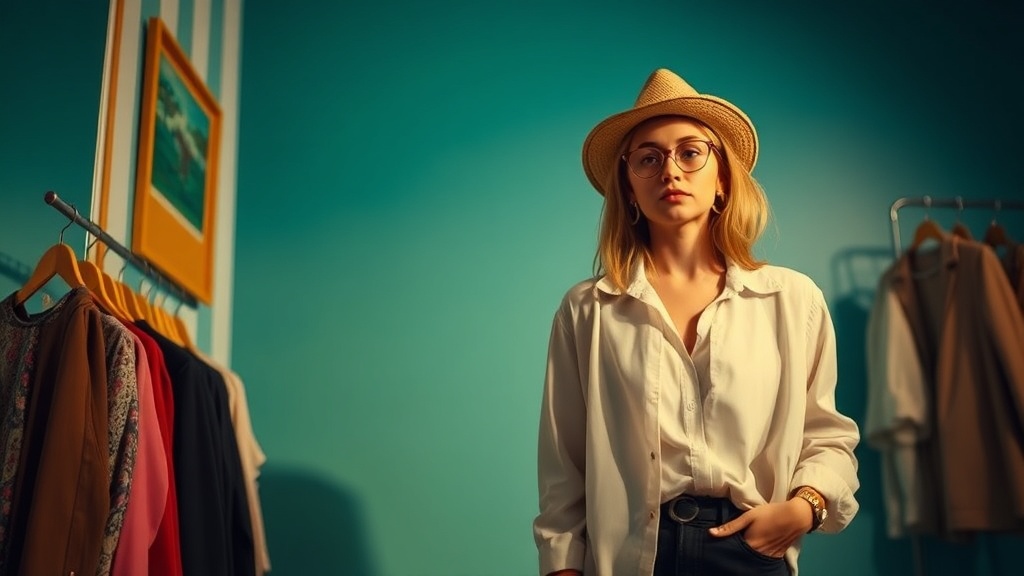
Building a Curated Capsule Wardrobe with Thrifted Gems

Imagine standing in front of a closet packed with clothes, yet feeling like you have absolutely nothing to wear. You pick up a heavy, fast-fashion polyester blazer, realize it doesn't fit quite right, and toss it aside. This is the reality of a cluttered, uncurated wardrobe. Building a capsule wardrobe through thrifting allows you to move away from the cycle of constant consumption and toward a collection of high-quality, unique pieces that actually serve your life. This guide breaks down how to identify quality fabrics, build a cohesive color palette, and find high-end vintage items without spending a fortune.
How Do I Start a Capsule Wardrobe?
Start by auditing what you already own and identifying the specific gaps in your current rotation. A capsule wardrobe isn't about owning a tiny number of clothes; it's about owning the right clothes. Look at your most-worn items—perhaps a pair of Levi's 501 jeans or a simple white cotton tee—and identify why they work. Is it the fit? The fabric? The way they layer?
Before you hit the thrift stores in Edmonton or anywhere else, create a list of "needs" versus "wants." A "need" is a high-quality wool coat for the winter; a "want" is a bright green silk blouse you saw on Instagram. If you don't have a plan, you'll end up with a pile of "wants" that don't actually work together. (Trust me, I've been there.)
The first step is defining your personal style DNA. Are you drawn to the rugged utility of Carhartt or the structured elegance of vintage Armani? Once you know your aesthetic, your thrift hunting becomes a targeted mission rather than a random search. You're looking for specific silhouettes and textures that fit your existing pieces.
A successful capsule relies on three categories of clothing:
- Base Layers: High-quality tees, tanks, and camisoles in neutral colors.
- Core Pieces: Denim, trousers, skirts, and knitwear that form the bulk of your outfits.
- Statement Pieces: The "wow" items, like a vintage leather jacket or a patterned silk scarf.
How Can I Tell if Thrifted Clothes are High Quality?
Check the fabric composition label and the physical texture of the garment to ensure it's durable. High-quality natural fibers like wool, silk, linen, and cotton will almost always outlast synthetic blends like polyester or acrylic. When you're browsing the racks, don't just look at the brand name—look at the seam construction and the weight of the fabric.
Here is a quick checklist to use while you're standing in the dressing room or at the checkout counter:
| Feature | What to Look For (High Quality) | What to Avoid (Low Quality) |
|---|---|---|
| Fabric | Natural fibers (Wool, Silk, Cotton, Linen) | High percentages of Polyester or Acrylic |
| Seams | Straight, tight, and consistent stitching | Loose threads, puckering, or fraying |
| Hardware | Metal zippers and heavy buttons | Plastic zippers or flimsy, thin buttons |
| Weight | Substantial, heavy drape | Thin, see-through, or flimsy-feeling |
One thing to watch for is "pilling"—those tiny balls of fuzz that appear on cheap sweaters. If a garment is already pilling heavily, it’s a sign that the fibers are breaking down. Even if it's a "great deal," it's likely not a long-term investment. On the other hand, a heavy 100% wool sweater from a brand like Pendleton will last decades if treated well.
Don't forget to check the weight of your denim. A pair of vintage 100% cotton Levi's will feel significantly different—and much more durable—than modern stretch denim. That weight is what gives a garment its shape and longevity. If you're unsure about a fabric, you can always check Wikipedia's entry on textile fibers to understand the properties of what you're buying.
What Colors Should I Choose for a Capsule Wardrobe?
Choose a base of neutral colors and add a few accent colors that complement your skin tone and existing clothes. Most people find success by picking two neutrals (like navy and cream, or black and camel) and one or two accent colors (like forest green or burgundy). This ensures that almost any top you grab will match any bottom you pick.
If you're building a wardrobe around a specific aesthetic, your color palette should reflect that. For a classic, timeless look, stick to earth tones and monochrome. If you want something more vibrant, pick a "signature" color that you can find in different textures—perhaps a silk scarf in a bright shade or a heavy wool coat in a deep jewel tone.
It's tempting to buy a bright, colorful piece because it's cheap, but if it doesn't coordinate with your neutrals, it will sit in your closet unused. This is the biggest mistake people make when thrifting. A single, high-quality piece in a color you actually wear is better than five mediocre pieces in trendy colors.
To keep your wardrobe cohesive, try to follow a simple rule of thumb: 70% neutrals and 30% color. This ratio allows you to look polished most of the time while still expressing your personality. If you find yourself gravitating toward a specific color, make sure you have the neutral pieces to ground it.
When you're out hunting, keep these three tips in mind:
- Check the Light: Thrift store lighting is notoriously bad. Always look at the color in natural light if possible, or hold it up to a window to see if the color is true.
- The Texture Test: Hold the fabric. Is it scratchy? Is it soft? If it's uncomfortable to wear in the shop, it won't be comfortable to wear at home.
- The Fit-First Rule: Don't buy a size too small hoping you'll lose weight, or a size too large hoping to "style" it. Buy the fit that works now.
If you're interested in how these pieces fit into a larger lifestyle, you might enjoy reading about creating a timeless, vintage-inspired lifestyle. It’s about more than just the clothes; it's about the mindset of quality over quantity.
Building a wardrobe this way takes patience. You won't find the perfect vintage wool blazer on your first trip to the thrift store. You might go three weeks without finding anything worth buying. That's okay. The goal is to be intentional. Every time you find a piece that meets your standards for fabric, fit, and color, you're one step closer to a wardrobe that actually works for you.
Think of your thrift hunting as a slow curation process. You're not just shopping; you're collecting. This approach keeps you from falling into the trap of fast fashion, where items are designed to be disposable. By focusing on the construction and the material, you're investing in a future where you can look into your closet and feel genuinely prepared.